Earth’s Place in the Milky Way: A Cosmic Address
Related Articles: Earth’s Place in the Milky Way: A Cosmic Address
Introduction
With enthusiasm, let’s navigate through the intriguing topic related to Earth’s Place in the Milky Way: A Cosmic Address. Let’s weave interesting information and offer fresh perspectives to the readers.
Table of Content
- 1 Related Articles: Earth’s Place in the Milky Way: A Cosmic Address
- 2 Introduction
- 3 Earth’s Place in the Milky Way: A Cosmic Address
- 4 Closure
Earth’s Place in the Milky Way: A Cosmic Address

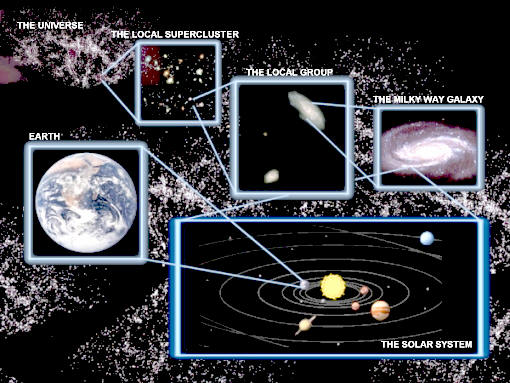
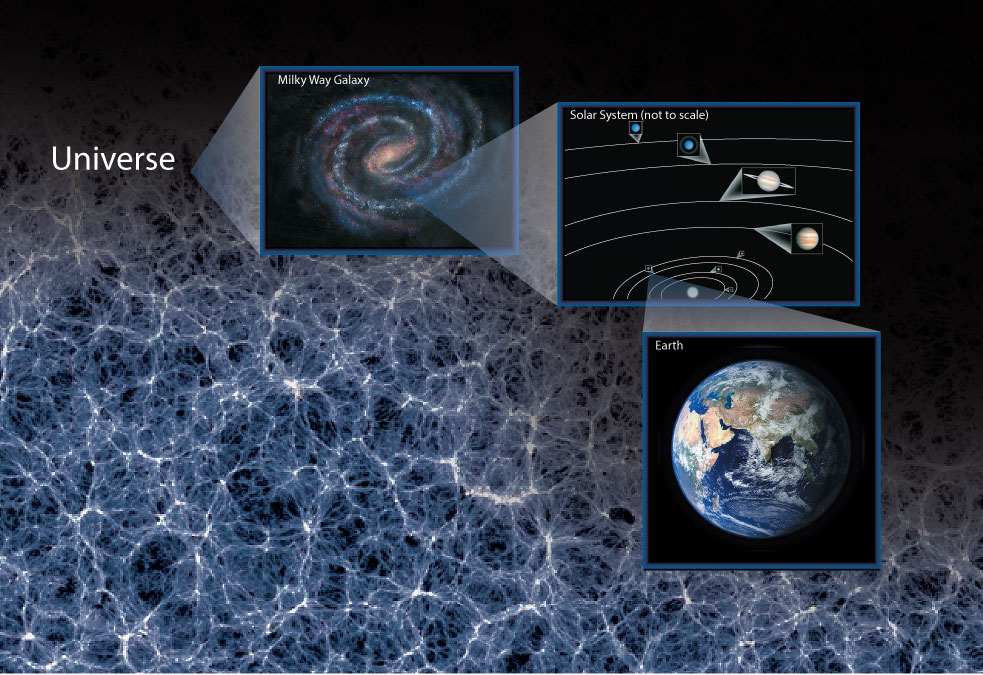
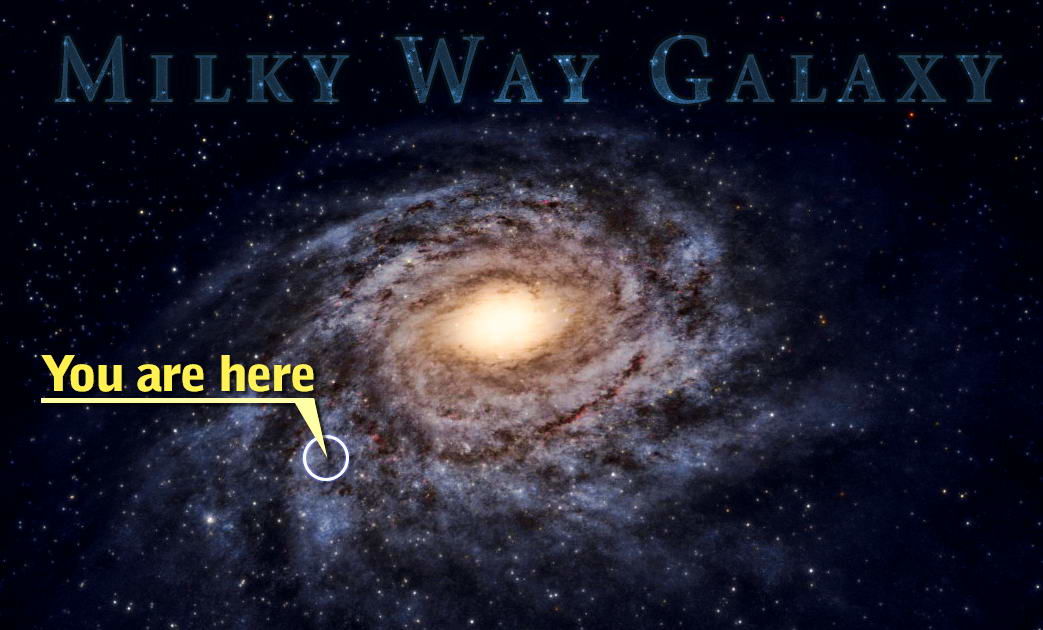
Our planet, Earth, is not an isolated entity in the vastness of space. It is a tiny speck nestled within a grand spiral galaxy known as the Milky Way. Understanding Earth’s position within this galactic tapestry provides a crucial perspective on our place in the universe and sheds light on the forces that have shaped our world.
Mapping the Milky Way:
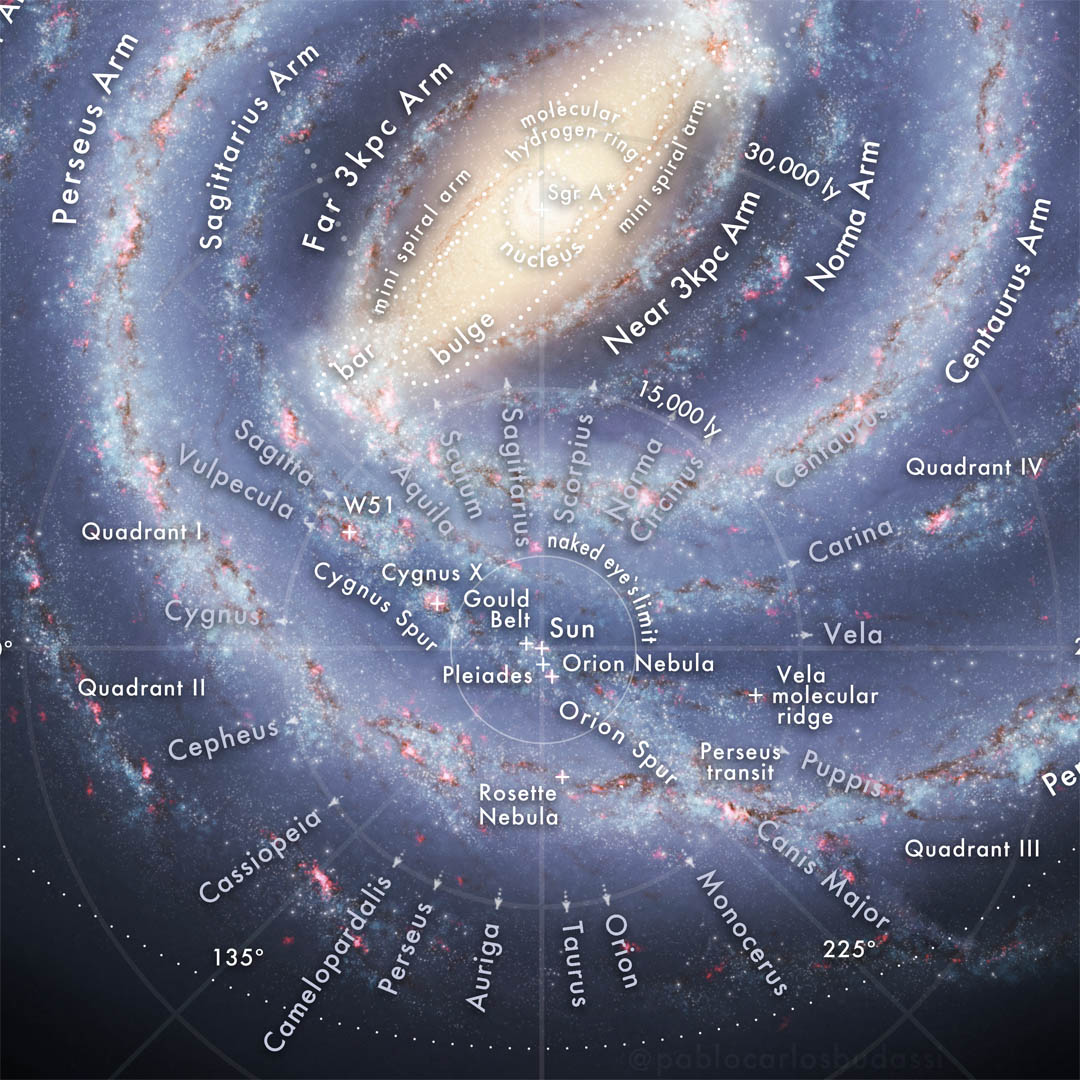
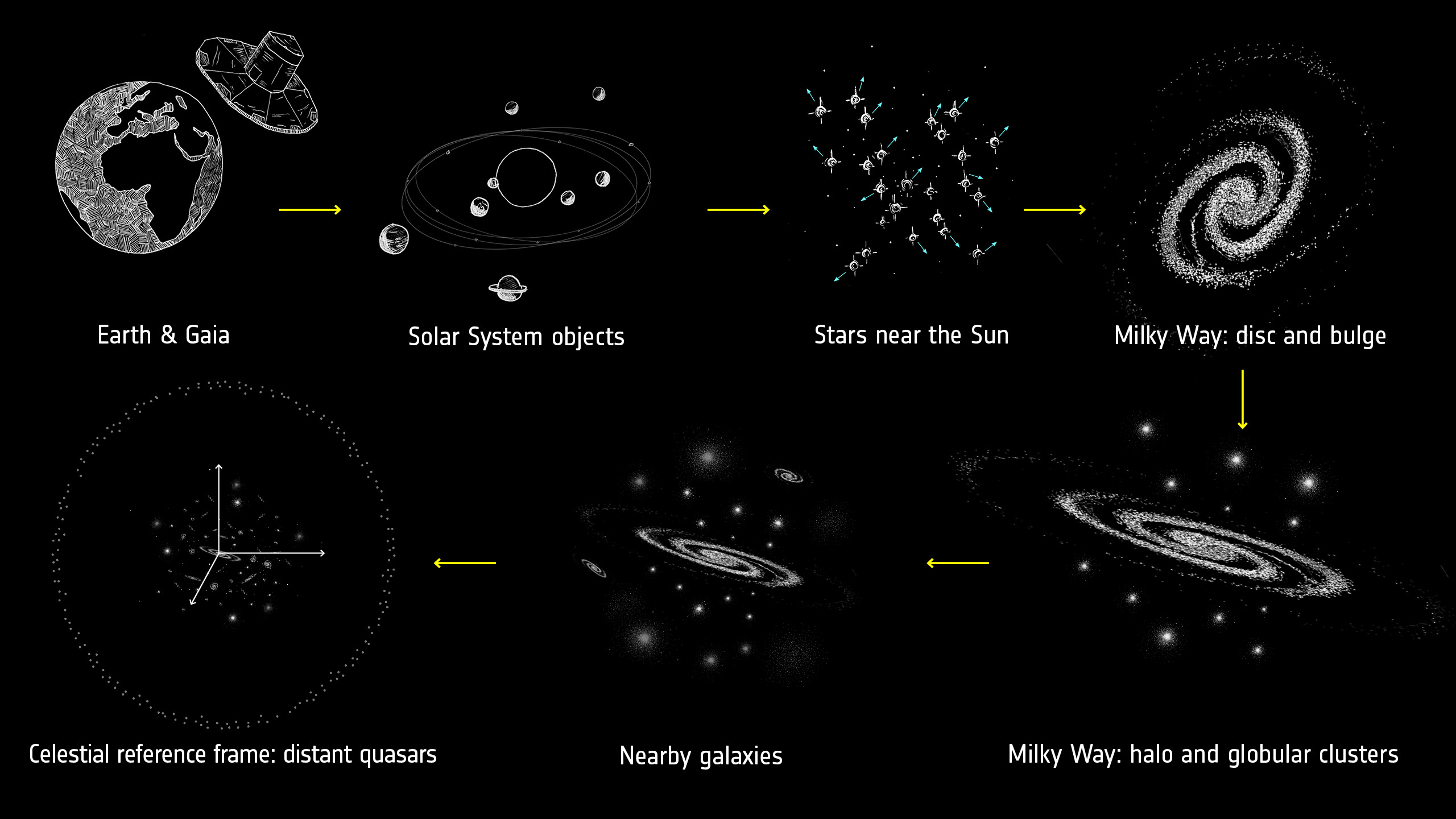
The Milky Way, a barred spiral galaxy, is a vast collection of billions of stars, gas, dust, and dark matter, spanning approximately 100,000 light-years across. Its intricate structure, revealed through meticulous observations and theoretical models, is characterized by:
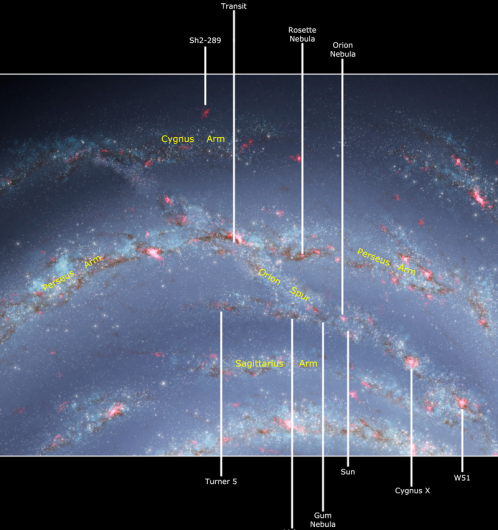
- Spiral Arms: These prominent features, like the Orion Arm where Earth resides, are regions of active star formation and higher concentrations of gas and dust.
- Central Bulge: A dense, spherical region at the galaxy’s core, harboring a supermassive black hole.
- Galactic Disk: A flattened, rotating disk containing most of the galaxy’s stars, including our Sun.
- Halo: A diffuse, spherical region surrounding the disk, composed of older stars and globular clusters.
Earth’s Cosmic Address:
Within this grand structure, Earth occupies a specific location:
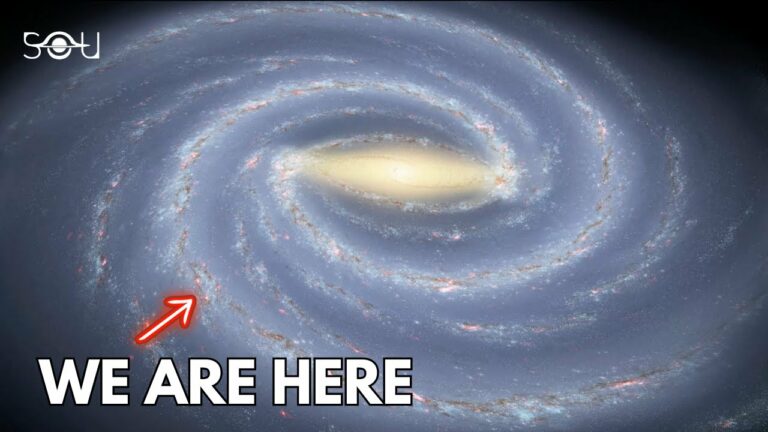
- Solar System: Our planet orbits the Sun, a yellow dwarf star, located in the Orion Arm, approximately 26,000 light-years from the galactic center.
- Orion Arm: This spiral arm is characterized by active star formation and is relatively rich in heavier elements, contributing to the conditions conducive to life on Earth.
- Local Bubble: A region of low-density gas, created by supernova explosions, surrounding the Sun and influencing its stellar environment.
Benefits of Understanding Earth’s Position:
Comprehending Earth’s place in the Milky Way yields significant benefits:
- Contextualizing our Existence: It underscores our planet’s insignificance in the cosmic scale, fostering humility and appreciation for the interconnectedness of all life.
- Understanding Galactic Evolution: Studying the Milky Way’s structure and evolution provides insights into the formation and evolution of galaxies, including our own.
- Searching for Extraterrestrial Life: By mapping the Milky Way and identifying regions with conditions conducive to life, we can better target our search for extraterrestrial intelligence.
- Predicting Future Events: Understanding the galactic environment can help us anticipate events like supernovae or gamma-ray bursts, which could potentially affect Earth.
FAQs about Earth’s Position in the Milky Way:
- Is Earth in the center of the Milky Way? No, Earth is located in the Orion Arm, approximately 26,000 light-years from the galactic center.
- How long does it take the Sun to orbit the Milky Way? The Sun takes approximately 225 million years to complete one orbit around the galactic center.
- Are there other planets similar to Earth in the Milky Way? While we haven’t found any confirmed Earth-like planets yet, ongoing research suggests that there are potentially billions of planets in the Milky Way, some of which may be habitable.
- Could Earth be ejected from the Milky Way? While unlikely, it is theoretically possible for a close encounter with a massive object, like a black hole, to disrupt the Sun’s orbit and potentially eject Earth from the Milky Way.
Tips for Visualizing Earth’s Position:
- Use Online Tools: Several online resources, like Google Sky, offer interactive maps of the Milky Way, allowing you to explore Earth’s location within the galaxy.
- Attend Planetarium Shows: Planetarium shows often depict the Milky Way and Earth’s place within it, providing a visual understanding of our cosmic address.
- Read Popular Science Books: Books on astronomy and cosmology often contain illustrations and explanations of the Milky Way’s structure and Earth’s position within it.
Conclusion:
Earth’s position in the Milky Way, a vast and awe-inspiring galaxy, is a testament to the interconnectedness of all things. By understanding our place within this cosmic tapestry, we gain a deeper appreciation for our planet, our solar system, and the vastness of the universe. This knowledge inspires us to explore the unknown, to search for answers, and to strive for a future where humanity can thrive within this grand cosmic symphony.

Closure
Thus, we hope this article has provided valuable insights into Earth’s Place in the Milky Way: A Cosmic Address. We appreciate your attention to our article. See you in our next article!
2025